There is a part of us that is an adult — the one who is here reading this article with patience and curiosity.
But there is also a childish part in all of us women, our wounded inner child.
This wounded part can emerge in specific moments. She is the one who:
Wants everything yesterday
Has trouble with authority
Struggles with procrastination or self-criticism
Falls into self-destructive behaviors such as substance abuse or toxic relationships
These patterns affect self-confidence, relationships, and even career opportunities. Recognizing them is the first essential step toward healing and building healthier relationships.
The Emotional Pain of the Inner Child
A wounded inner child often holds deep, unprocessed emotions.
This can cause difficulties in expressing feelings in a healthy way, leading either to emotional outbursts or emotional repression.
Learning to connect with your inner child and give voice to these emotions is a key step in your healing journey.
The First Authorities in Our Lives
Who were the first authorities we encountered in life?
Mom and Dad.
Our wounded inner child carries the unhealed experiences and pains related to them — regardless of how good or bad our parents were.
When these pains resurface in adulthood, they manifest as:
Difficulty setting boundaries
Trouble saying “no”
Lack of trust in others
You may notice this when, for example, you’re bullied at work but feel unable to defend yourself, or when you struggle to trust men, women, or people in general.
Feeling abandoned or rejected by others who owe you nothing are signs that your wounded inner child is still active.
Meeting Your Inner Teenager
Even though we may be mature in certain areas, others remain emotionally undeveloped.
When we begin to heal emotional wounds, these immature parts of ourselves — our inner child and inner teenager — will appear.
And that’s okay.
They are part of your story. But remember:
They belong in the backseat of your life’s car — while the adult you is the one driving.
The adult you puts things in order.
Reclaiming Your Rightful Place
Each of us occupies specific places in life — as daughters, sisters, partners, employees, and so on.
But when we have problems with authority, we often abandon these rightful places.
When we do, we lose strength and become emotionally or physically unwell.
How often do we:
Judge our parents as inadequate and unconsciously take their place?
Mother our siblings, partners, or friends?
Refuse to accept our role as student, employee, or learner?
When we step out of place, chaos appears — in our health, relationships, and professional life.
Ask yourself:
“Who is speaking right now — my adult self or my wounded inner child?”
Recognizing who is speaking within you helps you rediscover your rightful place in life.
Living in Peace, Not Control
Living is not about having control or all the answers.
It’s about being at peace and in flow — allowing yourself to not know everything and being open to new experiences.
Trust that those who occupy roles in your life — your parents, boss, or teacher — have a purpose in that position.
When fear and trauma rule your actions, they close your heart. Healing requires you to disarm, listen, and open your heart.
A Journey of Healing Together
You arrived here with wounds, but you are not alone.
Many women have walked this path before you — and I have too.
Healing the inner child is liberating.
There is a childish part in all of us, and sometimes she wants everything in her own way and time.
When we bring our unhealed pain from the first authorities of our lives into adulthood, we project it onto partners, mentors, or bosses.
Even if your parents were wonderful, your inner child may still carry wounds.
When You Step Out of Your Place
We all have a place in the family, in relationships, in work, and in life.
When we step out of that place — trying to control or take on roles that aren’t ours — we lose strength.
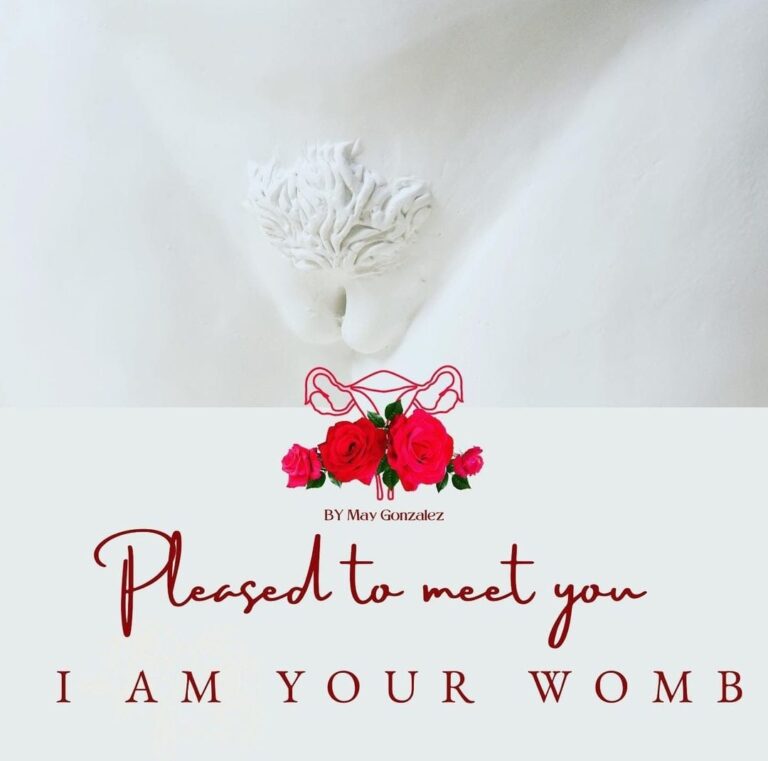
Our belly becomes sick, our sexuality doesn’t flow, and life feels blocked.
We attract people who are also out of place, leading to relationships full of emotional pain.
When we are out of alignment, abundance cannot flow.
It only exists for those who are in harmony with life.
Ask yourself:
“In which part of my life am I out of place?”
That’s where your biggest blocks and traumas live.
As long as you occupy places that are not yours, your life cannot flow.
Conclusion: Coming Home to Your Inner Child
Healing your wounded inner child is not about blaming your parents or the people who have hurt you — it’s about taking responsibility for your own healing and allowing love to flow where pain once lived.
Every time you listen to your inner child with compassion, you reclaim a part of yourself that was lost in fear, rejection, or silence. You stop needing to control life and start trusting its rhythm. You stop living from the wound and begin living from wholeness.
Coming back to your rightful place — as a daughter, a woman, a creator — restores your strength and reconnects you with the natural flow of life, health, and abundance.
Remember: the goal isn’t to silence your inner child, but to hold her hand and let her know that the adult you is now here — present, grounded, and ready to lead with love.
This is the path of healing, the path of returning home to yourself.

When combined, somatic sexology and womb medicine create a holistic approach to sexual and reproductive health, often empowering individuals to reclaim their bodies, heal from trauma, and foster a deeper connection with their own sexuality and creative life force. This integrative practice can be particularly beneficial for those dealing with issues like sexual dysfunction, menstrual irregularities, fertility challenges, or trauma related to childbirth, sexual abuse or abortion.
Self-knowledge is a chain of information about ourselves, and as we delve deeper into ourselves, we expand the way we connect with our source of inspiration and vitality.