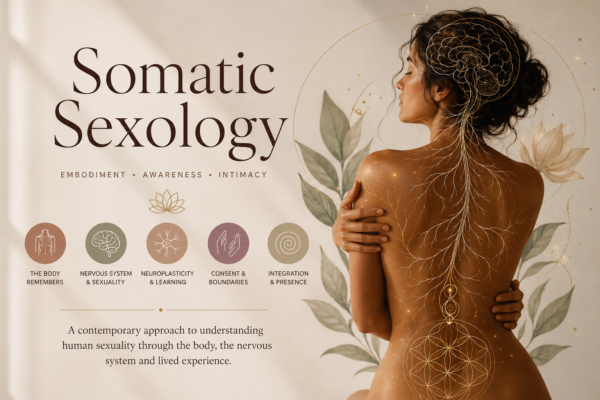

This article explores erectile dysfunction (ED) in the context of ageing, its links with premature ejaculation (PE), medication effects, and loss of vitality. It describes holistic, trauma-informed approaches — centring on Authentic Tantra Massage — that support embodied healing, sexual resilience, and renewed vitality. The piece balances medical caution with practical somatic, breath, and relational tools that complement medical care.
Introduction
Erectile dysfunction (ED) — the difficulty achieving or maintaining an erection sufficient for sexual activity — is a common issue that affects millions of men worldwide. While prevalence increases with age, ED is not an inevitable part of ageing. Instead, it often results from an interplay of physiological, psychological, relational, lifestyle, and medication-related factors.
Understanding ED as a multifactorial problem opens the door to nuanced, compassionate care: combining appropriate medical evaluation with somatic practices, breathwork, relational therapy, and in some cases, bodywork like Authentic Tantra Massage. As a sacred sexuality priestess and somatic sexologist, I, May Gonzalez, offer a trauma-aware, respectful approach that helps people reclaim embodied sexual vitality.
By Age Group
Under 30:
ED is usually psychological or stress-related — performance anxiety, porn overuse, lack of confidence, or unresolved emotional issues.
Physical causes are rare but can include early cardiovascular problems or hormonal imbalances.30–40s:
Early signs often appear if lifestyle habits (smoking, alcohol, stress, poor sleep, lack of exercise) affect circulation and hormones.
This is when many men begin noticing occasional erection loss or difficulty sustaining an erection during stress.40–50s:
Testosterone levels begin to gradually decline (about 1% per year after 40).
Conditions like high blood pressure, diabetes, and cholesterol become more common, directly affecting blood flow and erectile function.50–60s:
ED becomes more prevalent — not because of age itself, but because of accumulated health factors (vascular disease, medications, prostate surgery, etc.).
Men may also experience lower libido and slower arousal.60+ years:
ED can stem from reduced blood vessel elasticity, medication side effects, and lower hormone levels.
However, many men remain sexually active with lifestyle changes, medical care, and somatic practices that restore vitality.
Key Takeaway
ED is not a sudden switch — it’s often a gradual process.
Early warning signs can include:
Weaker morning erections
Needing more stimulation to become aroused
Losing erection mid-activity
Lower sexual desire or energy
Emotional disconnection or anxiety around sex
2. Causes & Contributors: a short primer
2.1 Physiological causes
Cardiovascular health: Good blood flow is essential for erection; atherosclerosis, high blood pressure, and diabetes impair vascular function.
Neurological issues: Nerve damage from surgery, diabetes, or neurological disease can interfere with erection signals.
Hormonal changes: Low testosterone and thyroid dysfunction can reduce libido and erectile function.
Age-related tissue changes: Changes in penile tissue elasticity and blood vessel responsiveness can contribute to ED as men age.
2.2 Psychological contributors
Performance anxiety and fear of failure create a cycle of anticipatory stress and sympathetic nervous system activation that blocks erection.
Depression and low mood reduce libido and physiological responsiveness.
Trauma or sexual shame: Past adverse sexual experiences, body shame, or emotional repression can manifest as erectile difficulties.
2.3 Medication and substances
Medications such as some antidepressants (SSRIs), antihypertensives, antipsychotics, and prostate medications can cause erectile problems as side effects.
Alcohol and recreational drugs can impair sexual function both short-term and long-term.
2.4 Lifestyle and vitality
Sedentary lifestyle, poor sleep, smoking, and poor nutrition lower general vitality and vascular health, affecting erections.
2.5 Relational factors
Conflict, distance, and poor communication with a partner can dampen sexual desire and arousal.
3. The connection between ED and premature ejaculation (PE)
ED and PE often co-occur and can feed into each other:
Performance-switch: Anxiety about maintaining an erection can push someone toward rushing sex and ejaculating quickly, or conversely, frustration with PE can lead to anxiety that triggers ED.
Shared nervous system dysregulation: Both conditions are strongly influenced by autonomic balance; chronic sympathetic activation (stress) tends to favour PE and interfere with erection.
Medication overlap: Treatments for one condition may worsen the other (e.g., SSRIs used to treat PE can cause or worsen ED in some men).
Understanding the interplay is essential: effective treatment often addresses both sexual mechanics and the underlying anxiety, relationship patterns, and body-state regulation.
4. Medication: help and pitfalls
Medications for ED (PDE5 inhibitors like sildenafil/tadalafil) are often effective and life-changing for many men. However:
They treat symptoms (vascular/erectile mechanics) rather than psychological or relational drivers.
Side effects, contraindications (notably nitrates), and expectations can complicate use.
Some medications for other conditions cause ED; working with a healthcare provider to adjust doses or medications often helps.
A combined approach — medical review + somatic/psychosexual work — tends to yield the best outcomes.
5. Lost vitality: ageing vs. lifestyle
Ageing brings hormonal and vascular changes, but “loss of vitality” is frequently amplified by lifestyle and psychosocial factors. Key levers to restore vitality:
Improve cardiovascular fitness and pelvic blood flow (exercise, pelvic floor work).
Optimize sleep, nutrition, and stress management.
Reduce alcohol, nicotine, and recreational drug use.
Address emotional health (therapy, somatic practices, community).
Restoring vitality is achievable at many ages when interventions are targeted and consistent.
6. What is Authentic Tantra Massage? (practice overview)
Authentic Tantra Massage — as taught and practiced by May Gonzalez — is a holistic, trauma-aware bodywork modality that integrates breath, slow presence, conscious touch, energetic awareness, and somatic release. It is not purely erotic entertainment nor a quick fix for symptoms; rather it is a therapeutic ritual that:
Reconnects the person to bodily sensations and pleasure.
Teaches nervous system regulation through breath and paced touch.
Releases chronic tension patterns in the pelvic, hip, and lower abdominal regions.
Restores healthy interoception (the felt sense of the body), which is critical for sexual arousal and performance resilience.
Authentic Tantra Massage can be adapted for men, women, and couples, with consent-based protocols and clear boundaries.
7. How Authentic Tantra Massage helps with ED, PE, medication-related sexual side effects, and loss of vitality
7.1 Nervous system regulation
Slow, attuned touch and guided breathwork shift the nervous system from sympathetic (fight/flight) dominance toward parasympathetic and ventral vagal states — the states where erection and sustained arousal are most likely to occur. Regular sessions teach down-regulation skills that can be used during sexual activity.
7.2 Pelvic and pelvic-floor release
Chronic pelvic tension, often hidden under shame or avoidance, can interfere with blood flow and sexual sensation. Gentle, somatic pelvic work reduces hypertonicity in the pelvic floor, helping both erectile function and ejaculatory control.
7.3 Re-education of sexual response
Through mindful edging, breath-coordinated practices, and interoceptive exercises, people learn to sense the build-up of arousal and to modulate it. This supports longer control over ejaculation and more reliable erectile responses.
7.4 Emotional and trauma-sensitive integration
Many men carry performance anxiety, shame, or relational wounding that shows up as ED/PE. Body-centered therapy provides a non-verbal pathway to process feelings and restorative experiences of being seen, touched safely, and respected.
7.5 Complementary to medical treatments
Authentic Tantra Massage works well alongside medication and medical intervention. By addressing nervous system, pelvic tone, and relational patterns, massage can reduce reliance on medication for some men, or make medication more effective when needed.
8. Typical structure of a therapeutic Authentic Tantra Massage pathway for sexual health
Intake & medical screening: Clear medical history, medication review, and risk assessment; collaboration with the client’s primary healthcare provider when necessary.
Foundational sessions: Breathwork, relaxation, and non-genital touch to restore interoception and safety.
Pelvic somatic sessions: Gentle pelvic floor release, hip and lower back mobilization, and diaphragm-pelvic coordination.
Edging & arousal awareness: Guided exercises to increase conscious awareness of arousal and to practice modulation.
Relational integration: For partnered clients, communication exercises, non-sexual attunement, and reintroduction to sexual contact with new pacing.
Home practices: Breath protocols, pelvic floor mobility drills, daily micro-practices to build stamina and nervous system resilience.
Practical exercises & tools you can start today
1. 4–6–8 Breathing (to calm the body)
Use this breathing technique when you feel anxious or overly aroused.
- Inhale slowly through your nose for 4 seconds
- Hold the breath for 6 seconds
- Exhale slowly through your mouth for 8 seconds
Repeat 4–8 times.
This helps calm your nervous system and relax your body.
2. Pelvic Clock (body awareness)
Lie down in a comfortable position.
- Imagine your pelvis is a clock.
- Your navel is 12 o’clock, your pubic bone is 6 o’clock, the left side is 9 o’clock, and the right side is 3 o’clock.
- Take slow breaths and imagine the breath moving gently toward each “hour” of the clock.
This practice helps release tension in the pelvic area and increase body awareness.
3. Stop–Start Practice (Learning Ejaculatory Control)
This exercise helps you become more aware of your arousal and learn to control ejaculation.
During solo stimulation:
- Begin stimulating yourself slowly.
- Pay attention to your level of arousal.
Think of arousal like a scale from 1 to 10:
- 1–3: relaxed, little arousal
- 4–6: pleasurable and building
- 7–8: very close to ejaculation
- 9–10: ejaculation is about to happen (the point of no return)
- When you feel you are approaching the point of no return (around 7), stop stimulation immediately.
- Take a few slow breaths and allow the arousal to drop to about 4 or 5, where your body feels calmer again.
- When you feel more relaxed, begin stimulation again.
Repeat this cycle several times.
With practice, this exercise helps you develop greater awareness of your body and better control over ejaculation.
4. Daily Movement
Move your body for 20–40 minutes each day, such as:
- Walking
- Cycling
- Swimming
This improves blood circulation, energy, and overall vitality.
5. Important
Always practice gently and respectfully with your body.
Stop if you feel:
- pain
- discomfort
- emotional distress
If you have had recent surgery, cardiovascular conditions, or other significant medical issues, consult a healthcare professional before practicing.
10. Contraindications & safety considerations
Recent cardiovascular events, unstable angina, or uncontrolled hypertension require medical clearance before sexual re-engagement or intensive breathwork.
Active infections, acute pelvic pain, or recent pelvic surgery mean postponement of pelvic massage until cleared.
Psychological trauma requires trauma-informed pacing and may benefit from integrated psychotherapy.
Certain medications (e.g., nitrates) make some ED medications unsafe; always coordinate with a prescribing physician.
In my practice, every session begins with consent, boundaries, and an intake that screens for these issues.
11. Evidence, limitations, and realistic expectations
There is growing evidence that mind-body approaches, pelvic floor therapy, and nervous-system focused interventions can improve sexual function. However, results are individual and depend on consistency, the complexity of underlying causes, and medical comorbidities.
Authentic Tantra Massage should be seen as a complementary therapy — powerful for many who engage with it — but not a guaranteed cure. Combining medical evaluation, appropriate medication when indicated, lifestyle change, psychotherapy, and somatic work offers the most reliable path to improvement.
Sex education is for everyone—men, women, and couples—because intimacy evolves throughout life. Whether you are overcoming challenges, longing for deeper connection, or simply curious to understand your body better, knowledge and awareness are the keys to transformation.
Are you ready to prevent dysfunction, heal your sexuality, and awaken intimacy with yourself or your partner? Join me in Online Tantra – Sex Education by May Gonzalez and begin your path to sacred pleasure and love.
Online Tantra – Sex Education by May Gonzalez.